
The Girl in the Window on iOS
The paid App Store version is iPhone-first. Same house as Android and Steam.
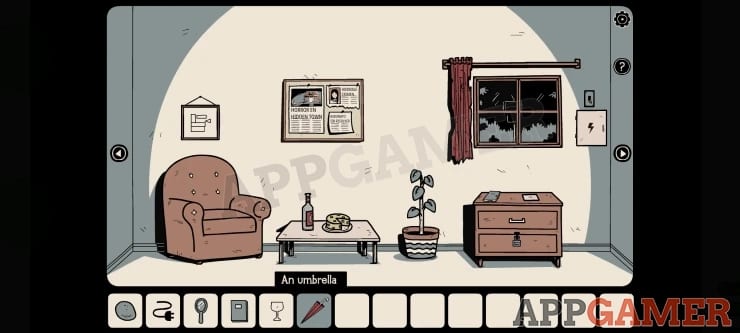
The Girl in the Window arrived on the iOS App Store in 2026 as a paid application. This page covers the iPhone listing specifically. The US App Store marks it Designed for iPhone, not a full iPad product.
Before iOS existed for this title, the game was Android-only since 2019. The iOS release brought the Hidden Town chapter to Apple devices for the first time. This page is the iOS sheet. Android and Steam owners should still skim it if they want to know what changed in the port.
Gameplay help: Getting Started, controls, walkthrough.
App Store listing
- Seller: Dark Dome Studios SAC
- Paid app: one-time purchase, no in-app purchases
- Requires iOS 12 or later
- Family Sharing: supported
- Region: US listing as of check, regional pricing varies
The listing notes occasional cartoon violence and horror themes with an age rating of 13+ in the US store. The game is portrait-mode, designed for iPhone. Apple lists Mac (M1+) compatibility; that is not a native iPad edition.
What iOS includes
- Paid $1.99 USD on the US App Store (region pricing varies)
- Store copy still mentions a hint system and a Premium secret scene; treat that as shared marketing text with Android unless an IAP actually appears in your purchase sheet
- Size around 56.7 MB; requires iOS 12 or later
- Single-player chapter, same story and puzzles as Android
- Same four walls, same notebook, same randomized codes
- Dan and Mia ending match across all platforms
The iOS version is not the old free-plus-Premium Android split. You pay once at the store and own the chapter outright.
How it compares to Android
Android launched in 2019 as a free app with optional Premium IAP (ads removal, free hints, secret scene). iOS in 2026 is a paid upfront purchase with no additional purchases. The puzzles, story, randomization, and ending are the same chapter.
Key differences:
- iOS has no ad-supported free tier to try first
- iOS has no IAP Premium upgrade option
- Android has a hint system that costs real money on the free build
- Both have the same randomized puzzle logic
- Both share the same Dan and Mia story content
How it compares to Steam
Steam launched later, on 31 August 2026. iOS arrived first as a paid App Store title on 13 March 2026 (version 1.0), with version 2.0 on 16 April and version 3.0 on 12 May 2026 for improved Chinese language support. Both storefronts are paid upfront with no ads. The iOS version is portrait-mode phone optimized. Steam is desktop with mouse. The puzzles are the same chapter.
Steam has no ad-gated hint button. The App Store blurb still advertises a hint system copied from the Android listing. Use this wiki as the free method guide either way: codes, walkthrough, tools.
Should you buy on iOS or Steam?
Buy on iOS if you want to play on a commute or in bed with a phone. Buy on Steam if you want a mouse, a second monitor, and a keyboard. Puzzle difficulty does not change. The tier list still puts the vampire and curtain-light padlock on top regardless of platform.
The review page on this wiki is written with both audiences in mind.
Hints and the wiki
iOS has no official hint system from Dark Dome. The wiki is the free path: methods explained in sentences rather than digits typed into a lock. Use codes when you are staring at a specific puzzle. Use the walkthrough when two or three chains have stalled.
Store links are on the official links hub.
Frequently Asked Questions
Quick answers to the most common questions.
Is iOS the same as Android?
Same chapter, same puzzles, same ending. iOS is a paid upfront purchase; Android had a free tier with optional Premium IAP.
Does iOS have a hint system?
Should I buy iOS or Steam?
iOS for phone play; Steam for desktop and mouse. Puzzle difficulty is the same on both.
Is there a free tier on iOS?
No. iOS is a one-time paid app. Android has a free tier with ads.